York County · Pennsylvania
Radon and Real Estate in York, PA
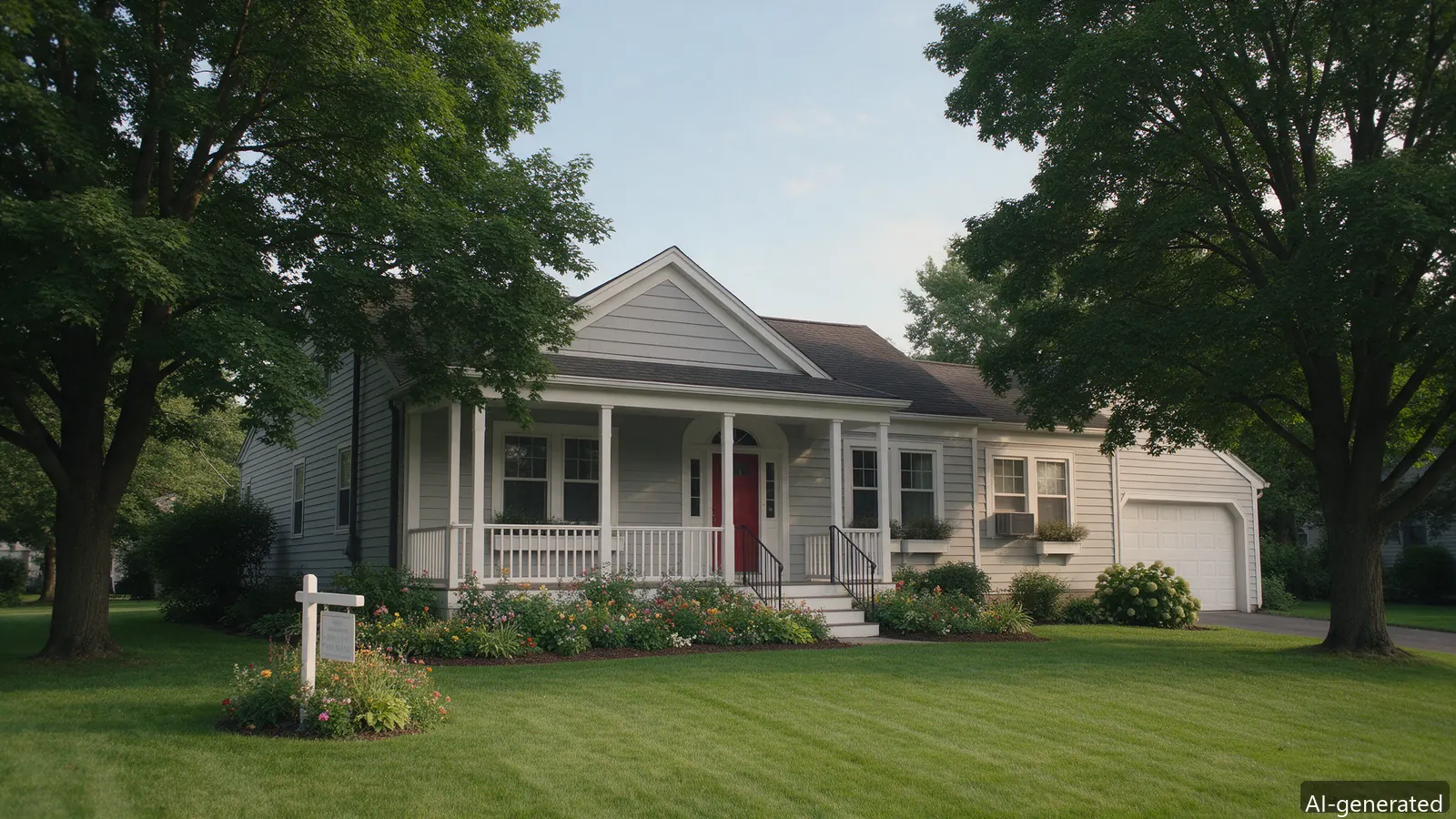
In a county where 56% of basement tests hit or exceed 4.0 pCi/L (PA DEP records), radon is a negotiation line in most York County transactions. Here is how testing fits the inspection window, who typically pays, and the paperwork that closes cleanly.
| Phase | What happens | Clock |
|---|---|---|
| Offer accepted | Inspection window opens (typically 7–10 days) | Day 0 |
| Radon test placed | Continuous monitor runs 48 h in the basement; closed-house protocol | Days 1–3 |
| Results & negotiation | Above 4.0 pCi/L: credit request, fix-before-close, or escrow | Days 4–7 |
| Mitigation (if agreed) | Diagnostic + install (3–5 h typical); retest 24 h after startup | Days 5–8 |
| Clearance & closing | Post-mitigation results + system label + warranty in the file | Day 8+ |
Three patterns dominate York County deals: seller installs before closing (cleanest files), buyer receives a closing credit and installs after move-in, or both split through repair escrow with a licensed mitigator paid at completion. Pre-existing systems change the questions: buyers should request the install date, warranty, last test results — and verify the fan’s manometer shows it running.
With county records showing half of basements above the action level, experienced agents and inspectors build the radon contingency into the first draft — and certified local mitigators reserve same-week capacity during spring and fall closing seasons. The 48-hour CRM test keeps the inspection window from slipping.
A standard single-point system installs in 3–5 hours. Crawl-space membranes, two-point systems or complex pipe routes run a full day. The post-mitigation test starts at least 24 hours after the fan turns on.
Interior runs through a closet or garage with an attic fan disappear almost completely. Exterior runs up a back wall are painted to match. Fan placement rules (distance from windows, discharge height) constrain the options; a good installer walks you through them before drilling.
Ask for the written guarantee in the bid: system workmanship plus a commitment that the post-mitigation test comes back below 4.0 pCi/L at the quoted price. PA DEP says to verify that verbal and written guarantees match. Most radon fans carry a five-year manufacturer's warranty (PA DEP).
Confirm it (a second short-term test or a long-term average), then plan mitigation — EPA’s guideline is 4.0 pCi/L, and WHO’s reference level is 2.7 pCi/L (100 Bq/m³). Between 4 and 8, DEP suggests confirming; at any confirmed level above 4, install a system.
When bought from a listed lab, kept closed-house, and analyzed promptly, yes — they are the backbone of Pennsylvania’s 40%-above-4.0 dataset. Their weakness is protocol: mishandling and closed-house violations skew results. A continuous monitor removes most human error.
Yes — and it is one of the strictest states about it. The Radon Certification Act and 25 Pa. Code Chapter 240 require anyone testing or mitigating radon for the public to hold PA DEP certification. Certification has been mandatory since 1988.
Ask for the certification number on the written quote and look it up in the PA DEP Radon Services Directory (published monthly, alphabetical by name and county). Certification numbers are printed on every quote and system label.