York County · Pennsylvania
Radon Mitigation in York, PA
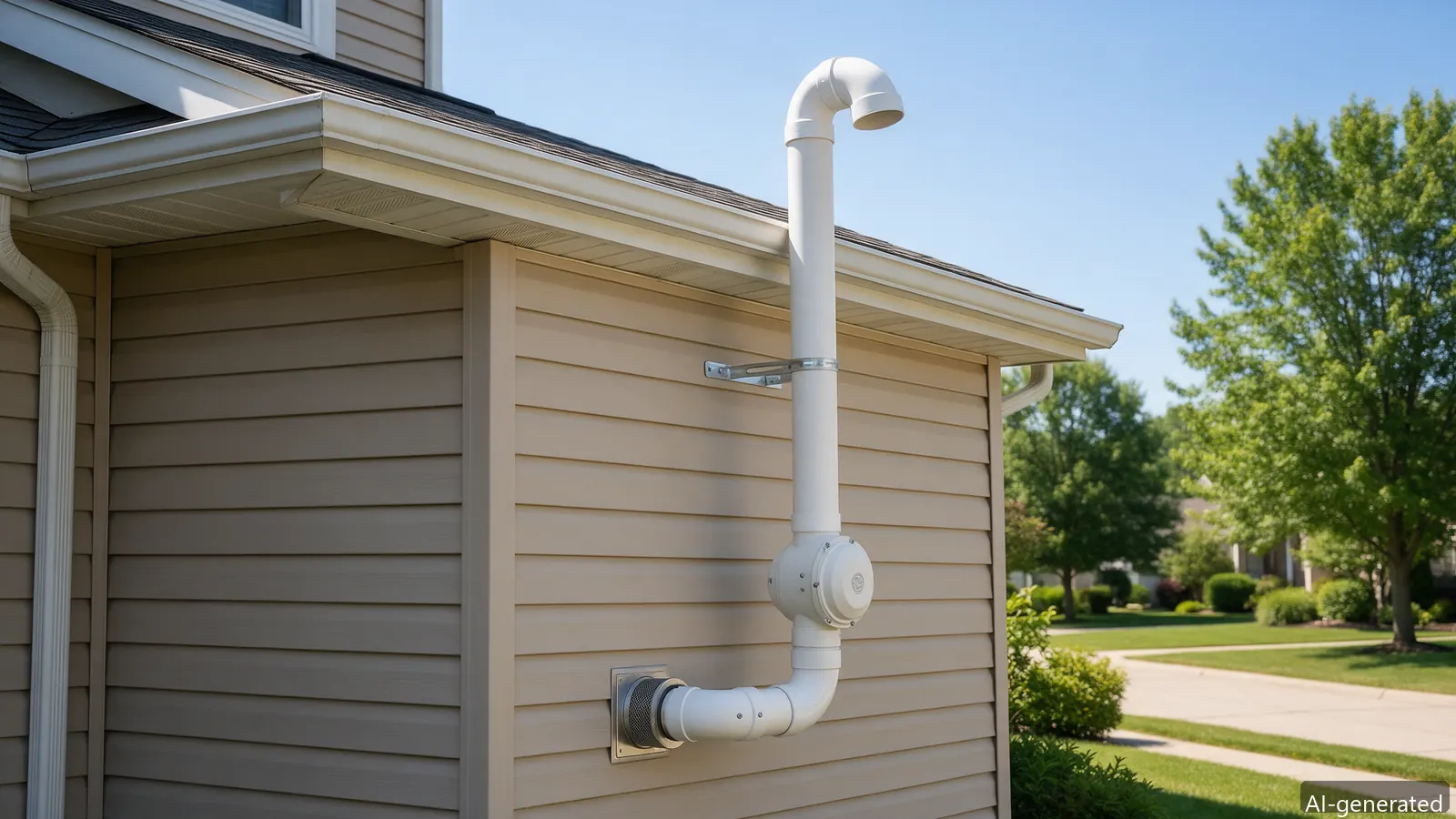
PA DEP-certified radon mitigation for York County homes. This site documents what official state data says about radon here — including the ZIP-code table the county’s own PA DEP records produce — what a certified system costs in 2026, and how sub-slab depressurization actually works under your basement floor.
All of York County sits in EPA Radon Zone 1 — the highest-potential band — and the PA DEP’s own test records by ZIP code show the pattern locally: basement readings running 7–12 pCi/L across the York ZIPs, with roughly 56% of county basement tests at or above the EPA action level of 4.0 pCi/L. Statewide, about 40% of tested Pennsylvania homes exceed 4.0 pCi/L — one of the most serious radon problems in the United States (PA DEP / PA Department of Health).
The geology explains it (PA Geological Survey): the limestone-and-dolomite York Valley runs straight through the county along Route 30, its karst voids and soil-filled fractures breathing soil gas; the Peach Bottom slate belt in the south is a historic uranium-grade district; the northern uplands sit on Triassic sandstones. Radium-bearing minerals in all three decay into radon, and Goddard Space Flight Center’s own monitoring campus a few miles northeast sits on the same Piedmont rock.
| York ZIP | Housing on that ground | Typical basement test (pCi/L) |
|---|---|---|
| 17401 – Downtown | Historic rowhomes and townhouses on unventilated stone foundations | Frequently above 4.0 |
| 17402 – East | 1950s–1970s ranches on spreading lots; mixed basement types | Frequently above 4.0 |
| 17403 – South | Post-war development on the county's carbonate belt | Frequently above 4.0 |
| 17404 – West | Older housing near the industrial corridor | Among the city's highest |
| 17406 – Northeast | Newer subdivisions on the shale uplands | Mixed — test anyway |
| 17408 – Northeast | Established suburbs on the shale uplands | Mixed — test anyway |
The fix is sub-slab depressurization: a fan pulls soil gas from under your slab and vents it above the roofline. It reduces radon by 80–99% (EPA), installs in hours, and Pennsylvania — which has required DEP certification for radon work since 1988 — regulates who may install it and how.
Sub-slab depressurization, fan selection, DEP standards, step by step.
Read the process →Every community in the county sits on different rock and different housing:
Most single-suction-point systems in the York area run $800–$1,500 installed. PA DEP’s own guidance puts typical installations at $800–$1,200. Crawl-space systems, homes needing a second suction point, or difficult pipe routing push toward $2,000–$3,500.
No. A typical in-line fan draws 60–100 watts — roughly $30–$100 a year depending on fan size and electricity rates — PA DEP guidance ranges the annual operating cost from $30 to over $100.
Pennsylvania has no statewide rebate program for mitigation. Some lenders allow radon work in mortgage repair escrows, and real-estate deals sometimes split cost between buyer and seller. Check current PA DEP announcements for pilot programs.
Yes — and it is one of the strictest states about it. The Radon Certification Act and 25 Pa. Code Chapter 240 require anyone testing or mitigating radon for the public to hold PA DEP certification. Certification has been mandatory since 1988.
Ask for the certification number on the written quote and look it up in the PA DEP Radon Services Directory (published monthly, alphabetical by name and county). Certification numbers are printed on every quote and system label.