York County · Pennsylvania
Radon Mitigation Costs in York, PA (2026)
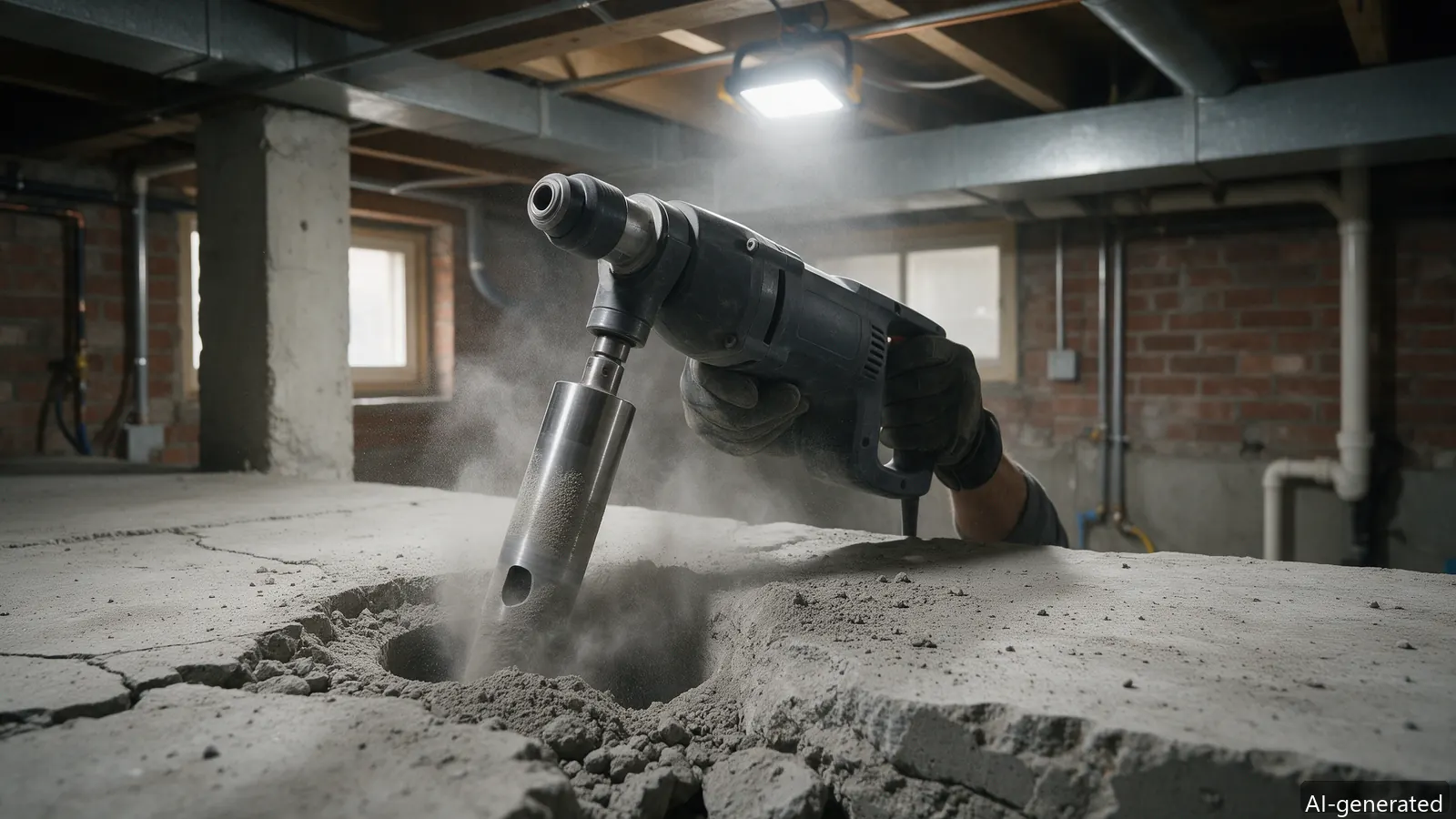
Pennsylvania publishes its own cost guidance — rare among states. PA DEP puts typical installations at $800–$1,200; national 2026 data runs $800–$2,500 depending on system type. Here is the full picture, component by component.
| System | 2026 cost range | Notes |
|---|---|---|
| Sub-slab depressurization, single suction point (basement or slab) | $800–$1,500 | The standard fix; PA DEP cites $800–$1,200 as the typical installed range |
| Sub-membrane depressurization (dirt crawl space) | $1,500–$3,000 | Sealed membrane over soil with suction beneath it |
| Additional suction point | $400–$900 | Large slabs, room additions, weak communication areas |
| Passive pipe activation (builder left a stack) | $500–$1,000 | Fan, gauge and sealing turn a passive pipe active |
| Sump-pit suction conversion | $500–$1,000 | Uses the drain-tile loop as the collection path |
| Well-water radon (aeration or GAC) | four-figure project, quoted per system | Separate problem from air radon; priced and installed by water-treatment specialists |
| Component | What it is | Cost share |
|---|---|---|
| Suction point + pit | 5–8 inch cored hole through the slab; hand-dug pit beneath to spread the collection area | folded into labor |
| PVC piping | 3–4 inch sealed pipe from suction point to fan to discharge above the roofline | folded into labor |
| Radon fan + vent cap | In-line centrifugal fan sized to sub-slab fill and resistance | $300–$700 equipment share (2026) |
| Manometer (U-tube gauge) | Confirms the system is pulling — check it monthly | included |
| System label | PA DEP-required labeling with the installer's certification number | required |
| Sealing | Sump lid gasketed, slab cracks and perimeter gaps closed | $100–$600 |
| Optional: continuous monitor | Installed digital readout of radon level | $150–$700 |
A typical fan draws 60–100 watts: roughly $30–$100 a year (PA DEP operating-cost guidance). Fans carry a five-year manufacturer’s warranty and typically last much longer (PA DEP). Retesting every two years costs a $10 kit or a $150 monitor day.
In real-estate deals, cost is commonly split buyer/seller or handled through repair escrows — see the real-estate page. Pennsylvania has no statewide rebate; check current DEP announcements and your insurer’s riders. Compared with the exposure it removes, a system is the cheapest major home-safety retrofit in the county.
Most single-suction-point systems in the York area run $800–$1,500 installed. PA DEP’s own guidance puts typical installations at $800–$1,200. Crawl-space systems, homes needing a second suction point, or difficult pipe routing push toward $2,000–$3,500.
No. A typical in-line fan draws 60–100 watts — roughly $30–$100 a year depending on fan size and electricity rates — PA DEP guidance ranges the annual operating cost from $30 to over $100.
Pennsylvania has no statewide rebate program for mitigation. Some lenders allow radon work in mortgage repair escrows, and real-estate deals sometimes split cost between buyer and seller. Check current PA DEP announcements for pilot programs.
A standard single-point system installs in 3–5 hours. Crawl-space membranes, two-point systems or complex pipe routes run a full day. The post-mitigation test starts at least 24 hours after the fan turns on.
Interior runs through a closet or garage with an attic fan disappear almost completely. Exterior runs up a back wall are painted to match. Fan placement rules (distance from windows, discharge height) constrain the options; a good installer walks you through them before drilling.
Ask for the written guarantee in the bid: system workmanship plus a commitment that the post-mitigation test comes back below 4.0 pCi/L at the quoted price. PA DEP says to verify that verbal and written guarantees match. Most radon fans carry a five-year manufacturer's warranty (PA DEP).